If you are wondering what it is actually like to live near the Westside Trail in Historic West End, the short answer is this: it feels connected, layered, and deeply Atlanta. You are not just choosing a house or condo here. You are choosing a daily rhythm shaped by historic streets, trail access, MARTA, local culture, and a neighborhood pattern that still reflects an older, more walkable Atlanta. If you want a clearer picture of that lifestyle before you buy or sell, this guide will walk you through it. Let’s dive in.
Historic West End is one of Atlanta’s oldest intown neighborhoods and a city-designated historic district. City planning materials trace its roots to an 1830s crossroads, with later growth that helped shape the neighborhood you see today. That history is not hidden away. It shows up in the street pattern, architecture, landmarks, and overall feel.
Living near the Westside Trail here often means your routine is not centered on one giant destination. Instead, it is built around a series of smaller, connected places. You may walk to the trail, head to MARTA, stop by a neighborhood business, or spend part of the day exploring nearby westside communities that connect along the corridor.
The result is a lifestyle that feels urban but not overly polished. It is active, local, and shaped by both historic character and modern reuse.
The Atlanta BeltLine describes the Westside Trail as a 3.2-mile route running from I-20 to W Marietta Street. It passes through some of Atlanta’s oldest neighborhoods and offers convenient access to MARTA. Along the way, the trail includes art displays, murals, sculptures, and visible signs of community pride.
For West End residents, that matters because the trail is not just recreational space. It becomes part of how you move through the neighborhood and how you experience it. A quick walk can turn into a coffee run, an evening stroll, or a visit to another nearby district.
The trail also connects West End to a broader southwest Atlanta corridor, including Ashview Heights, Bankhead, Hunter Hills, Mozley Park, and Washington Park. That means Westside Trail living in West End feels connected to more than one pocket of the city. It is a corridor lifestyle, not an isolated one.
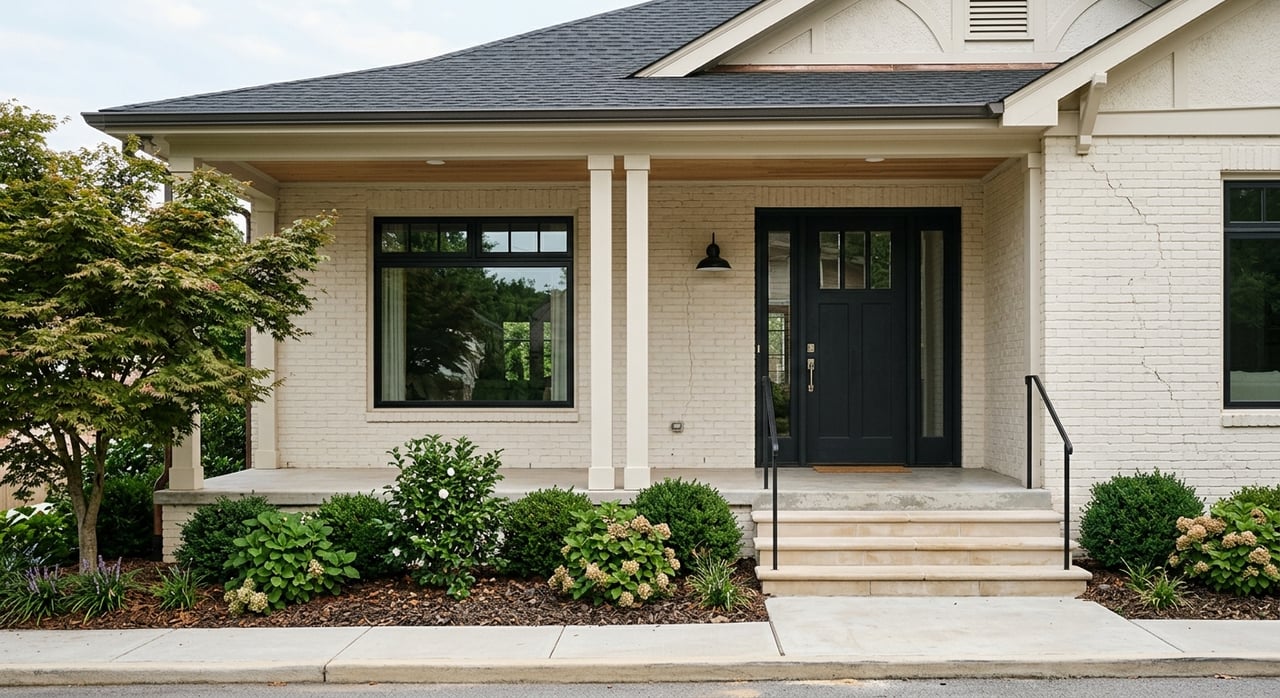
One of the biggest draws in Historic West End is the housing character. City materials describe a built environment that spans from Reconstruction through the automobile age, with architectural styles that include Queen Anne cottages, Victorian L houses, bungalows, and American Foursquares.
In practical terms, that means your street may feel visually rich and varied. You can see porch-forward homes, overhanging eaves, older details, and block-by-block changes in scale. It often feels historic, but still lived-in and usable rather than frozen in time.
The neighborhood also includes more than detached homes. According to the city’s LCI report, West End has a strong single-family core along with duplexes, small apartment buildings, and other low-to-medium-density housing near major corridors. That mix can make one block feel quieter and more residential while the next feels a bit more connected to transit or commercial activity.
In some neighborhoods, history is something you read about. In West End, you tend to notice it in everyday life. Landmark structures like the Wren’s Nest help reinforce that sense of place, while older homes and long-standing institutions make the area feel rooted.
If you are a buyer, that can mean more personality and stronger architectural identity than you might find in a newer area. If you are a seller, it also means the story of the home and block often matters as much as square footage alone.
West End often supports a walking-based routine better than many Atlanta neighborhoods. The city’s planning materials point to its pre-automobile street grid and multi-modal access to downtown, both of which help support pedestrian activity. When you live near the trail, it is easy to understand why people describe the area as connected and active.
Still, it is important to keep expectations realistic. The city also notes that I-20, the rail corridor, and other infrastructure create physical barriers between West End and nearby resources. There are also traffic conflicts at key intersections.
So what does that mean for you? It means West End can feel very walkable day to day, while still having edges and friction points that shape how you move through it. In many ways, that is part of its identity. It feels connected, but not seamless.
For many residents, West End station is a major lifestyle advantage. MARTA lists the station at 680 Lee St SW on the Red and Gold lines, with a 537-space surface lot, bus connections, and an Atlanta University Center Shuttle. The station also hosts a Tuesday Fresh MARTA Market.
That combination adds flexibility to daily life. You may use MARTA for commuting, events, airport trips, or simply to reduce how often you rely on your car. The station is also surrounded by shopping, housing, and historic destinations, which helps reinforce the neighborhood’s practical, mixed-use feel.
For buyers comparing intown neighborhoods, access like this can change how a location works for your routine. For sellers, proximity to trail access and MARTA can be an important part of how a home is positioned in the market.
One of the clearest everyday activity hubs along the corridor is Lee + White. Its owners describe it as a 23-acre, 440,000-square-foot redevelopment directly along the Westside Trail with breweries, restaurants, retailers, food manufacturers, and a food hall open seven days a week.
That kind of destination helps define what Westside Trail living feels like in real life. Instead of planning a big outing across town, you may find yourself folding in smaller stops throughout the week. A trail walk, a casual meal, or a quick meetup can become part of your normal routine.
The city’s LCI also identifies the commercial core along Ralph David Abernathy Boulevard between Ashby and Lee Streets, with Mall West End noted as a long-standing retail node. Together, these areas add useful day-to-day options without changing the neighborhood’s historic identity.
West End is not just about homes and transportation. It also has a strong cultural layer that shapes the neighborhood experience. The BeltLine notes that the Westside Trail includes community murals and sculptures that reflect neighborhood history, while city materials document murals on Lawton and White streets.
That matters because the neighborhood often feels expressive and place-based. Public art is not just decoration. It helps tell the story of the area and contributes to the sense that the community has its own voice.
Nearby cultural anchors reinforce that feeling. Hammonds House Museum on Peeples Street centers African-American art and culture, and the Wren’s Nest remains a well-known architectural landmark. To the north, the Atlanta University Center is a National Historic Landmark with deep civil rights significance that includes Morehouse College, Spelman College, Atlanta University, and West Hunter Street Baptist Church.
City materials note that West End Neighborhood Development, formed in 1974, has sponsored a tour of homes, a yearly festival in Howell Park, and a booklet highlighting neighborhood homes and cultural and religious centers. That kind of activity suggests a neighborhood where local identity is actively maintained rather than passively remembered.
For residents, that can make the area feel more personal. There is often a difference between living near amenities and living in a place with a clear sense of continuity. West End tends to offer both.
This lifestyle often appeals to buyers who want more than just a floor plan. If you value architectural character, access to transit, trail-based activity, and a neighborhood with visible history, West End may feel like a strong fit.
It can also appeal to sellers whose homes have distinctive design features or a story worth telling. In a neighborhood like this, strong positioning matters. Historic details, porch presence, block context, trail access, and nearby landmarks can all shape buyer interest.
That is why neighborhood-specific guidance matters here. West End is not a generic intown market. The details of location, housing type, and proximity to the trail or commercial nodes can materially affect how a home feels and how it should be marketed.
If you are buying in Historic West End, it helps to understand how the neighborhood changes from block to block. Housing type, street feel, access to MARTA, and connection to the Westside Trail can all shift your experience in ways that are hard to capture from a listing alone.
If you are selling, the same is true in reverse. A thoughtful strategy can help highlight what makes your home compelling, whether that is historic architecture, walkable access, or proximity to some of the corridor’s most recognizable destinations. In character-rich neighborhoods, presentation and storytelling are often part of the value.
If you are thinking about buying or selling in West End or along the broader intown Atlanta corridor, working with a neighborhood-focused advisor can help you make sense of the details that matter most. Reach out to Shawn Morgan for tailored guidance on West End homes, historic property positioning, and intown Atlanta strategy.
A thorough grasp of residential real estate marketing tactics, a keen knowledge of the Atlanta market, superior listening skills and attention to detail, make him the model Realtor® advisor. Contact Shawn today!
Let's ConnectAddress
1491 Peachtree St. NE
Atlanta, Georgia 30309