You do not need to write a big check to get your Morningside–Lenox Park home market‑ready. If you have character details buyers love but a to‑do list holding you back, you have options. In this guide, you’ll see how Compass Concierge fronts select pre‑listing improvements, which updates matter most in Morningside, what timelines to expect, and how to navigate historic considerations with confidence. Let’s dive in.
Compass Concierge pays approved vendors for select pre‑sale improvements so you do not pay up front. You repay at closing, or under other triggers outlined in your agreement. Eligible services typically include staging, painting, flooring, landscaping, cosmetic kitchen and bath work, deep cleaning, and many system repairs. Get the full overview on the Compass Concierge program.
You and your agent choose the scope and vendors, and work is scheduled quickly. In some markets Compass uses third‑party financing partners, and program terms vary by state. Ask your agent to walk you through the Georgia‑specific agreement, including any limits, credit approvals, fees, or timelines.
Morningside–Lenox Park is known for early‑20th‑century homes, mature trees, and a strong neighborhood identity. Buyers often prioritize preserved details like original floors, millwork, and porches, paired with updated kitchens, baths, and reliable systems. The neighborhood association, the Morningside–Lenox Park Association, is active, and Atlanta’s preservation process may apply to visible exterior changes in some areas. Plan early and align your improvements with both character and modern convenience.
If your project affects street‑visible exteriors, consult City of Atlanta Historic Preservation staff. Many exterior changes require a Certificate of Appropriateness or staff review, while most interior cosmetic work does not. Review the City’s guidance and timelines through the Historic Preservation homeowner resources. Add a small buffer for reviews so your listing timeline stays on track.
Professional staging and photography shape buyer perception online and in person. According to NAR research, many agents report staging can reduce time on market and, in some cases, increase offers by a few percentage points. See the data on NAR’s staging resources. In Morningside, staging should spotlight scale, light, and original features.
Fresh, neutral paint and a top‑to‑bottom clean are high‑ROI staples. They help buyers see the architecture and room volume without distraction. Keep the palette calm and consistent so character details read as intentional focal points.
A targeted kitchen update, such as cabinet refacing, modern hardware, updated counters, lighting, and new appliances, often recovers more cost than a full reconfiguration. Regional Cost vs. Value data supports the strong performance of well‑scoped, midrange kitchen projects; explore the Atlanta‑area tables in the 2025 Cost vs. Value report. Align your finish level with neighborhood comps to avoid over‑spending.
Address system issues that could derail inspections or financing. Roof leaks, aging HVAC, unsafe wiring, and plumbing problems give buyers leverage to negotiate. Many of these repairs are eligible under Compass Concierge, which can remove friction before you list.
Preservation guidance generally advises repairing original wood windows and millwork before replacing. Tactics like reglazing, sash repair, and storm windows can improve performance while keeping historic character. For technical best practices, review the National Park Service’s brief on repairing historic wooden windows.
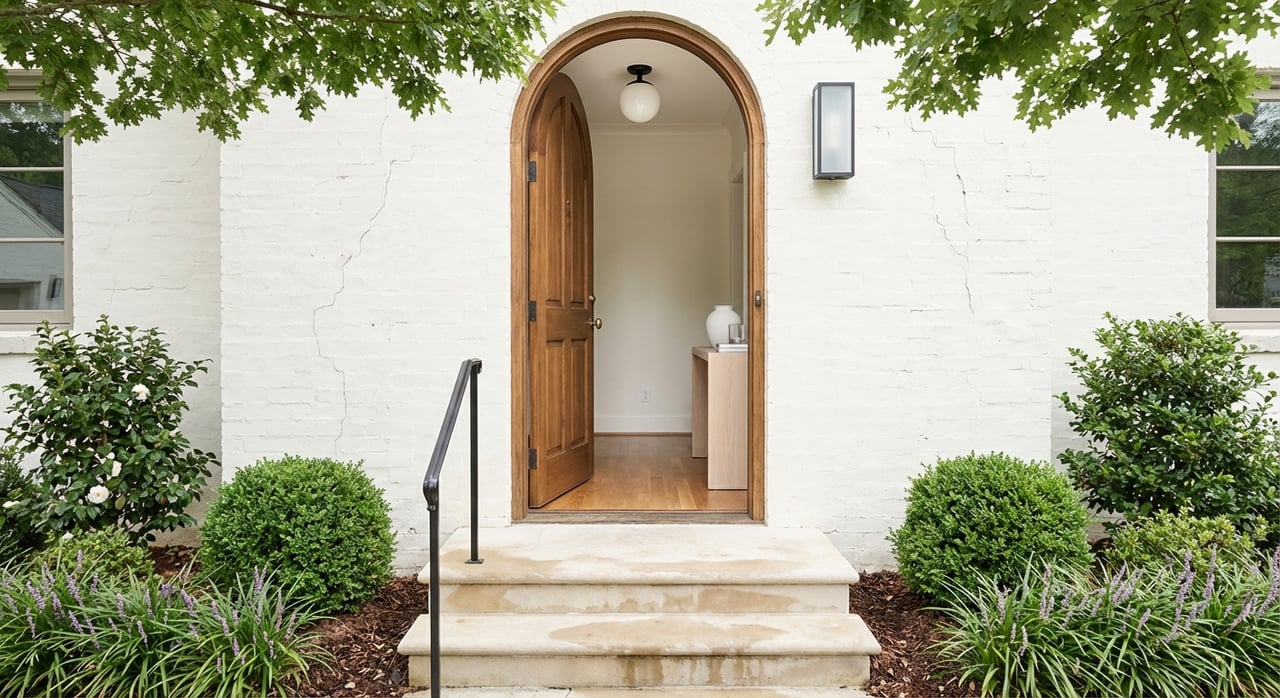
Front yards, porches, entries, and exterior paint are emotional cues for buyers. In Morningside, emphasize careful porch repair, a refreshed front door, and tidy landscaping that feels native to the home’s era. Confirm whether exterior paint colors or door replacements require review in your location.
Highly personal finishes can narrow your buyer pool. Replace bold wallpapers and idiosyncratic fixtures with classic, neutral choices that bridge period character and today’s taste. Keep defining elements like built‑ins and mantels intact.
Schedule a Concierge consult. Your agent will confirm eligibility, outline Georgia terms, and prioritize high‑ROI items. Review how funds flow and when repayment is due in your market.
Walk the property with a stager and contractor who know historic homes. Build a short list in priority order: safety and systems, buyer‑objection removals, cosmetic paint and staging, then selective kitchen and bath refreshes.
Confirm permitting and preservation. If any street‑visible exterior work is planned, contact the City’s preservation staff and plan for any COA reviews using the Historic Preservation homeowner resources.
Vet three or more bids. Require licenses, insurance, references, an itemized scope, milestone‑based payments, and lien waivers. The BBB’s contractor tips are a helpful checklist.
Finalize scope and vendors. Confirm whether Concierge pays vendors directly or via a financing partner in Georgia, and who handles permits and COAs. Keep all approvals and change orders in writing.
Complete work, stage, photograph, and list. Confirm how repayment posts at closing. Keep receipts and lien waivers organized for escrow.
Concierge is a strong fit if you have clear, high‑impact projects but prefer not to pay up front. It also helps if timing matters and you need to remove buyer objections before listing. If your home is already market‑ready or if large, complex remodels are required, a leaner plan or a more phased approach may be better. The right move is the one that fits your comps, timeline, and comfort level.
Ready to map your best‑return prep plan and timing? Reach out to Shawn Morgan for a neighborhood‑specific walkthrough and a clear, prioritized Concierge game plan.
A thorough grasp of residential real estate marketing tactics, a keen knowledge of the Atlanta market, superior listening skills and attention to detail, make him the model Realtor® advisor. Contact Shawn today!
Let's ConnectAddress
1491 Peachtree St. NE
Atlanta, Georgia 30309