Thinking about selling your historic home in Druid Hills but not sure where to start? You are right to ask, because selling in a locally designated historic district has extra steps, unique buyer expectations, and real financial implications. In this guide, you will learn the local rules that matter in DeKalb County, how to prep your home without risking approvals, what incentives may apply, and how to launch a marketing-first campaign that reaches the right buyers. Let’s dive in.
Druid Hills is nationally recognized for its Olmsted-designed plan, linked linear parks, and estate-scale homes, which together create a rare in-town setting that many buyers value. You will find notable architecture in Colonial Revival, Tudor Revival, Classical, and Craftsman styles, set within a cohesive landscape vision that dates to the early 1900s. The broader historic district was listed on the National Register of Historic Places in 1979, and its park system remains a core amenity today. If you highlight this heritage and the neighborhood’s greenway context, you speak to what buyers come to Druid Hills to find. Learn more about the area’s significance from the Cultural Landscape Foundation’s overview of Druid Hills’ history and landscape design.
Many sellers assume that National Register status restricts what you can change. In most cases, it does not. National Register listing is an honor that can open the door to certain incentives, but it usually does not regulate private changes unless federal funds or permits are involved. Local ordinances are what typically require design review. The National Park Service explains the distinction in its eligibility and incentives guidance.
If your property lies within a local historic district in unincorporated DeKalb County, you must obtain a Certificate of Appropriateness before making a material change in appearance. This generally includes exterior work visible from the public right of way, such as window replacements, additions, new garages, or demolition. Review the county’s preservation ordinance for the COA requirement and process in the DeKalb County code. Because parts of Druid Hills sit in different jurisdictions, first confirm whether your parcel is governed by DeKalb County or a City of Atlanta landmark overlay.
The Druid Hills Design Manual is the practical guide used by review staff when evaluating COA applications. It covers site work, windows, porches, additions, tree protection, and demolition standards, and it is designed to help owners plan compliant, compatible work. Before you sign contracts for exterior repairs or staging that changes visible elements, consult the manual and reach out to the county preservation planner. You can access the Druid Hills Design Manual.
Build review time into your listing calendar if exterior work is needed. COA applications often require photos, plans, and a public review at a monthly commission meeting. Demolition or wholesale replacement is scrutinized closely and is typically limited to cases where the structure is unsafe beyond repair, consistent with local guidelines and past staff reports. If you anticipate any visible exterior changes, schedule a pre-application conversation with the DeKalb preservation planner and confirm the current submission deadlines.
A targeted pre-listing inspection is one of your best tools for a smoother sale. Focus on structure, roof and flashings, perimeter drainage, HVAC reliability, electrical safety, and plumbing. Older systems can raise flags with buyers and insurers, so it pays to have specialists evaluate chimneys, historic windows, and electrical service. Fix high-impact issues first, disclose clearly, and save lower-priority items for buyer credits if needed.
Buyers in Druid Hills value authenticity. Preserve character-defining features such as mantels, original stairs, wood trim, floors, and porch details. If replacement is unavoidable, document the rationale and select historically sympathetic materials. Incentive programs and reviewers often reference the Secretary of the Interior’s Standards, summarized by the National Park Service in its program guidance. Keeping original fabric intact, when feasible, helps protect value and broadens your buyer pool.
Georgia offers a State Income Tax Credit Program for Rehabilitated Historic Property for qualifying owner-occupied projects approved by the Department of Natural Resources. Historically, the program has provided credits up to 25% of qualifying rehabilitation expenses, subject to caps and eligibility rules. If you recently completed a DNR-certified project, or your home is a strong candidate for future rehab, highlight that potential in your marketing. Always confirm current caps, timing, and certification steps using the DNR’s state tax credit fact sheet.
Georgia also administers a preferential property tax assessment, sometimes called an assessment freeze, for substantial rehabilitations that meet defined tests. This can stabilize assessed value during the incentive period, which some buyers view favorably when planning improvements. Review eligibility and application steps in the state’s preferential assessment program details.
The federal 20% Historic Rehabilitation Tax Credit applies only to certified historic structures used for income-producing purposes. Owner-occupied residences generally do not qualify. If you are considering improvements to sell your Druid Hills home, plan based on state incentives and local approvals rather than expecting federal credits. See the National Park Service’s federal credit eligibility overview.
If your home was built before 1978, federal law requires you to disclose known lead-based paint information and provide the EPA/HUD pamphlet to buyers. Make this part of your listing package to prevent delays once offers come in. You can find the federal summary in the Lead-Based Paint Disclosure Rule fact sheet.
Create a “story and proof” folder for showings. Include a concise property history, restoration receipts, permits, COA approvals, DNR project numbers if applicable, recent service invoices for core systems, and a list of trusted contractors. Buyers of historic homes place real value on provenance and documentation. Clear records can shorten diligence timelines and support stronger offers.
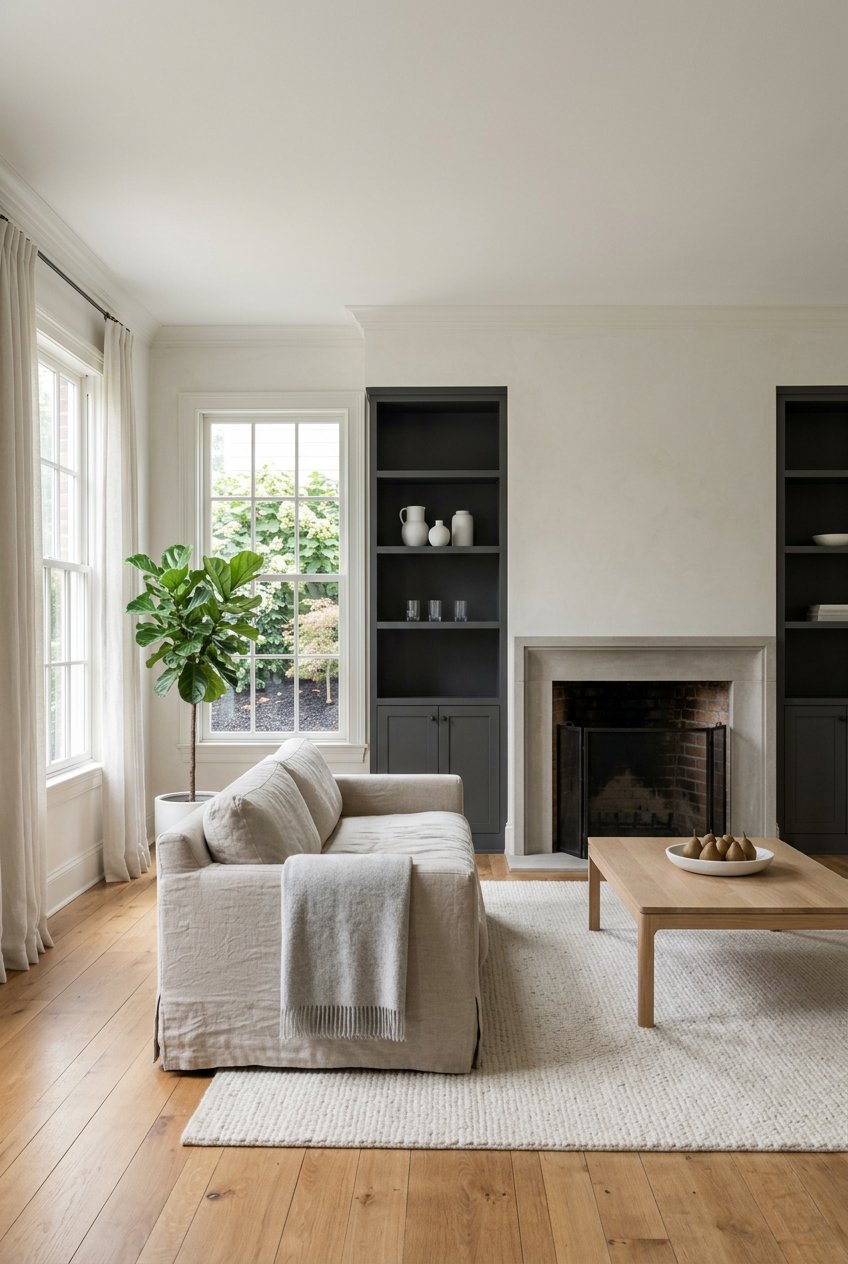
Staging should feel fresh, warm, and livable while letting original details take the spotlight. Keep surfaces edited, show flexible spaces like a study or den, and style the kitchen and baths to read clean and functional. Use professional photography that understands architecture, twilight images to capture presence, accurate floor plans, and a short property-story video that weaves in the Olmsted park setting. If you plan to fly drones for exterior context, confirm local guidelines and any review sensitivities first.
For premium listings, a single-property website and a printed brochure for broker opens create tactile and digital touchpoints that buyers remember. These materials should highlight character features, recent system upgrades, COA-compliant improvements, and any transferable incentive documentation.
No two historic homes are exactly alike, so pricing must go beyond a standard radius. Expand your comparable set by time and by subarea, and consider a pre-listing appraisal if sales data is thin. Model likely buyer repairs and any COA considerations into your negotiation plan. Do the high-impact fixes that reduce risk, then use credits for lower-priority items so you maintain momentum during inspections.
Start with the MLS for broad exposure, then syndicate to mainstream portals. To reach preservation-minded buyers, consider specialty channels that focus on historic properties as an added layer of visibility. Locally, targeted outreach to architecture-savvy agents, preservation organizations, and relevant university or medical institution networks can surface well-matched prospects.
High-net-worth buyers sometimes prefer privacy. If that fits your situation, a private, invitation-only preview can work well alongside a public launch. Compass also offers Private Exclusives that allow you to test pricing and timing with built-in discretion. If your home would benefit from targeted updates, Compass Concierge can fund and coordinate pre-listing improvements, then settle costs at closing. Both options pair well with a marketing-first plan that respects the home’s history while maximizing market reach.
Selling a historic home in Druid Hills is part art and part process. You will balance preservation with presentation, timelines with approvals, and storytelling with smart distribution. If you want a marketing-first plan that respects your home’s character and reaches the right buyers, connect with Shawn Morgan for neighborhood-grounded guidance and a tailored strategy.
A thorough grasp of residential real estate marketing tactics, a keen knowledge of the Atlanta market, superior listening skills and attention to detail, make him the model Realtor® advisor. Contact Shawn today!
Let's ConnectAddress
1491 Peachtree St. NE
Atlanta, Georgia 30309