Thinking about a move to Decatur? You are not alone. For many relocation buyers, Decatur stands out because it offers something that can be hard to find near Atlanta: a compact, walkable setting with real transit access and a wide range of housing styles. If you want to understand where you might fit, what types of homes you will actually find, and what details matter before you buy, this guide will help you get oriented. Let’s dive in.
Decatur is a small city with a strong intown feel. According to the City of Decatur overview, it covers about 4.7 square miles, sits just east of the Atlanta BeltLine, and is about six miles from downtown Atlanta. That location makes it especially appealing if you want access to the city without feeling far from neighborhood-scale retail, restaurants, and transit.
The city also offers stronger transit access than many close-in suburban markets. Decatur says there are three MARTA stations within city limits, and Decatur Station sits below the public square on the Blue Line with an Emory Shuttle connection. Add in access to I-285, I-20, and I-75/85, and you get a market that works well for buyers who want options for commuting and daily errands.
The numbers support that lifestyle-driven appeal. U.S. Census QuickFacts reports 24,482 residents in 4.60 square miles, a median owner-occupied housing value of $655,900, and a mean commute time of 26.2 minutes. In practical terms, Decatur tends to attract buyers who care about convenience, neighborhood feel, and access just as much as square footage.
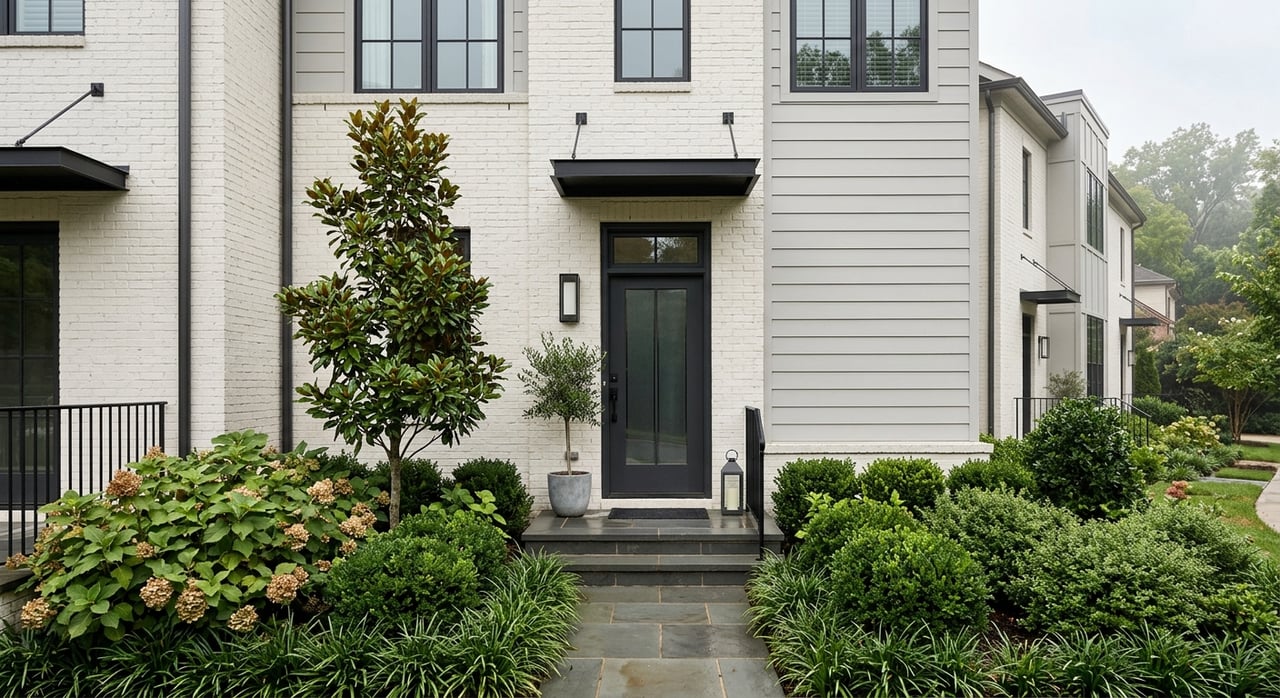
One of Decatur’s biggest strengths is variety. If you are relocating from out of state or from another part of metro Atlanta, it helps to know that the market is not limited to one housing type. Instead, you will find a mix of historic homes, attached housing, and newer mixed-use options depending on where you focus your search.
Older housing stock is part of Decatur’s identity. The city notes that much of Decatur was built out during the 1920s, with Craftsman bungalows and homes from the early 1900s common in many neighborhoods. Design guidance from the city also references English Cottage, Queen Anne Cottage, Bungalow, and Craftsman styles, which gives you a good sense of the architectural character you may encounter.
If you are drawn to charm, front porches, mature trees, and period details, this part of the market may feel like the best fit. These homes often appeal to buyers who prioritize character and neighborhood texture over brand-new finishes. They can offer a distinctly intown experience that feels different from newer suburban construction.
Decatur also has housing beyond detached single-family homes. The city says accessory dwelling units, duplexes, and walk-up flats are allowed in multiple residential districts, which broadens the range of options available. That matters for buyers who want a lower-maintenance setup, a more compact footprint, or a price point different from the detached-home market.
The city’s East Lake station-area study also projected demand for detached homes, townhomes, condos, and rental apartments over a five-year period. That reinforces an important point for relocation buyers: Decatur has a real housing spectrum. You are not choosing between only a bungalow and a large house. There are attached and mixed-use options too.
If you prefer newer construction, you will find it in select pockets. Areas near transit and commercial corridors have seen newer residential development, especially where mixed-use projects have taken shape. These locations can be a strong fit if you want more modern layouts, simpler upkeep, and easy access to shops, restaurants, and MARTA.
Relocation buyers usually begin by matching lifestyle goals to a part of the city. That approach works well in Decatur because each district offers a slightly different housing mix and daily rhythm.
The Square is the historic heart of downtown Decatur. The city describes it as a 15-block, tree-lined, walkable district with more than 1.5 million square feet of office space, more than 40 retailers, and more than 45 restaurants. If your priority is a true walk-to-everything lifestyle, this is one of the most obvious starting points.
For buyers, that often translates to strong interest in nearby condos, apartments, and homes within easy reach of downtown amenities. If you like the idea of stepping out for coffee, dinner, or a MARTA ride without needing to drive everywhere, this area deserves a close look.
West Ponce offers a different kind of convenience. The city highlights neighborhood-serving retail, plus condos and apartments that expand options beyond surrounding single-family neighborhoods. Buyers who want central access and newer attached housing often find this area especially appealing.
Oakhurst Village, centered near East Lake Drive and Oakview Road, gives you another neighborhood-focused option south of downtown. Anchored by the historic Scottish Rite Hospital building, this district is known for local retail and a community-scale feel. Buyers who want a neighborhood district with daily conveniences nearby often add Oakhurst to their shortlist.
The Old Depot District leans into historic character, arts, and locally owned shops and restaurants around the renovated rail depot. If older architecture and a close-to-downtown location matter to you, this area may offer the right blend of atmosphere and access.
For buyers who want newer mixed-use housing and east-side transit access, East Decatur Station and the College Avenue corridor are worth watching. The city says this area is being transformed by new mixed-use residential development with local retail and restaurant opportunities. That makes it one of the clearest examples of Decatur’s evolving housing mix.
Decatur is a high-value market, and it helps to go in with realistic expectations. U.S. Census QuickFacts puts the median owner-occupied housing value at $655,900. A recent Redfin market snapshot described the market as somewhat competitive, with a March 2026 median sale price of $715,500 and average days on market of 32.
For you as a buyer, that means preparation matters. You do not necessarily need to rush into the first home you see, but you do want clarity on budget, priorities, and where you are willing to compromise. In a market like Decatur, the right home can attract attention quickly, especially when location and character line up.
Relocation moves often get easier when you catch the important details early. In Decatur, a few practical issues come up again and again.
This is one of the most important checks in any Decatur search. The city says that many properties with Decatur mailing addresses are actually outside city limits, in unincorporated DeKalb County. Those homes do not receive city services or city taxes, even if the mailing address says Decatur.
The city specifically notes that if the ZIP code is not 30030 or the street number is four digits, you should verify the parcel rather than assume it is in the City of Decatur. For buyers, that can affect expectations around taxes, services, and how you compare one property to another.
If you love older homes, be sure to understand the review process tied to certain properties. The Historic Preservation Commission oversees five local historic districts and two historic properties, and material exterior changes generally require a Certificate of Appropriateness. That does not make historic ownership a bad fit. It simply means you should go in with clear expectations if future renovations are part of your plan.
Decatur can feel more walkable than many Atlanta-area markets, especially near downtown. The city’s transportation information notes parking in decks, metered spaces, and private lots, while retail and services remain within easy walking distance on tree-lined streets. In everyday life, many households will still use a car for some trips, but the core of Decatur can offer more flexibility than a car-only setup.
When you relocate to Decatur, the best choice usually comes down to how you want to live. If you want historic architecture and established neighborhood character, older parts of the city may be the strongest fit. If you want simpler maintenance and central access, condos or townhomes near commercial corridors may make more sense.
If your priority is convenience to MARTA and newer construction, focus on the transit-oriented and mixed-use nodes. If your goal is a walkable daily routine near restaurants and retail, areas near downtown and the neighborhood business districts should rise to the top. Decatur works best when your home search starts with lifestyle, then narrows by housing type and budget.
Relocating well is not just about finding a house. It is about finding the version of Decatur that matches your routines, priorities, and comfort level. If you are planning a move and want neighborhood-specific guidance, Shawn Morgan can help you evaluate housing options near intown Atlanta and make a more confident decision.
A thorough grasp of residential real estate marketing tactics, a keen knowledge of the Atlanta market, superior listening skills and attention to detail, make him the model Realtor® advisor. Contact Shawn today!
Let's ConnectAddress
1491 Peachtree St. NE
Atlanta, Georgia 30309