If you are looking at intown Atlanta for your next investment, East Lake probably stands out fast. It offers historic character, a close-in location, transit access, and a neighborhood identity that carries real weight in the market. The bigger question is whether that appeal translates into a smart portfolio move for your goals. Let’s dive in.
East Lake is an intown Atlanta neighborhood about 4.5 miles from downtown, and the East Lake Foundation neighborhood map highlights major community anchors like East Lake Station, the East Lake Family YMCA, Drew Charter School, East Lake Golf Club, and neighborhood retail.
That location matters, but so does pricing. According to Zillow’s East Lake home value data, East Lake’s typical home value is $575,863, compared with $381,549 for Atlanta and $332,511 for DeKalb County. In plain terms, East Lake trades at a clear premium versus the broader market.
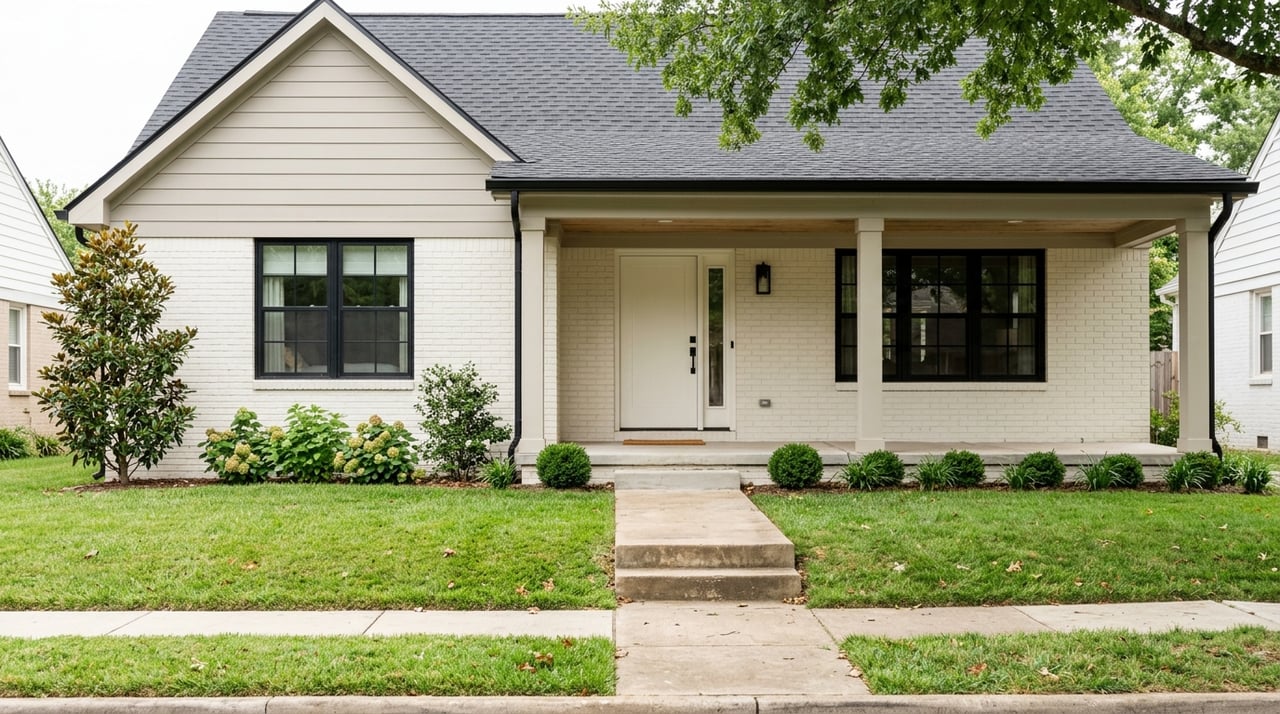
East Lake tends to attract attention for reasons that go beyond simple price charts. You are looking at a neighborhood with historic bungalows and cottages from the 1910s through the 1940s, plus a mix of apartments, townhomes, duplexes, and newer housing options documented by the East Lake Foundation.
That mix can support demand from different types of buyers and renters. For a portfolio buyer, that usually means East Lake is less about chasing the cheapest acquisition and more about owning in a neighborhood with established identity, multiple housing formats, and long-term relevance.
If you are trying to decide whether East Lake is a value play, the short answer is no. The data suggests East Lake is a premium intown submarket where buyers often pay up for location, character, and neighborhood anchors.
Current pricing also comes with some variation depending on the source. Realtor.com’s East Lake neighborhood page shows a median home sale price of $540,500 and a median rent of $1,600, while the 30317 ZIP-level data shows a median home price of $554,000 and median rent of $2,187. Those figures are best treated as directional benchmarks, not exact apples-to-apples comps.
Zillow also shows a median list price of $655,917 and only 22 homes for sale as of February 28, 2026, with just 5 new listings on its East Lake page. In a neighborhood this small, a handful of listings can shift the numbers quickly, which means you need hyper-local comps and careful underwriting.
For many investors, the biggest reality check in East Lake is yield. Using the 30317 median rent and home price figures from Realtor.com, the rough gross rent yield lands around 4.7% before expenses.
That is not a high-cash-flow profile. It suggests East Lake may fit better if you are focused on long-term appreciation, dependable renter and buyer interest, and neighborhood quality rather than immediate income maximization.
There is still upside within the rental range. The research report notes current Zillow rental examples for 3-bedroom homes around $2,950 to $4,750, which shows that renovated or newer homes may perform well above median benchmarks. Still, you would want to underwrite each property individually instead of assuming top-of-market rents.
East Lake has several anchors that help explain why demand tends to hold up.
Being about 4.5 miles from downtown Atlanta gives East Lake a strong location story for both renters and owner-occupants. That alone can support long-term interest from people who want an in-town lifestyle without being in the very center of the city.
Transit adds another layer. MARTA’s East Lake Station rehabilitation update confirms the station remains a key asset, though the south entrance, south parking lot, and south bridge closed on March 9, 2026 for a replacement project expected to finish in May 2026. So the transit story is still strong, but near-term access and parking are a little less convenient than usual.
The East Lake Foundation’s neighborhood map points to everyday amenities and destinations including restaurants, retail, Publix, banking access, the YMCA, Charlie Yates Golf Course, and East Lake Golf Club. East Lake Golf Club is also the permanent home of the TOUR Championship, which gives the neighborhood a level of name recognition that many residential pockets simply do not have.
For investors, that kind of visibility can support long-term desirability. It does not guarantee returns, of course, but it can strengthen the overall value proposition of owning in the area.
Drew Charter School states that it opened in 2000 as the City of Atlanta’s first public charter school and now serves more than 1,800 students from Pre-K through 12th grade. From a market perspective, that is an important neighborhood anchor.
For buyers considering East Lake as a long-term hold, a well-known educational institution can support consistent interest from households that want to stay in one area over time. It is one more reason East Lake often feels like a neighborhood people choose deliberately, not just opportunistically.
A neighborhood is not just a set of comps. It is also a place people want to stay connected to, and that can matter for resale and rental demand over time.
The East Lake Foundation’s 2024 annual report notes that residents expressed pride in the educational resources in East Lake and a deep sense of place. At the same time, the survey identified a need for more affordable housing options and more opportunities for residents to gather.
That combination tells you something useful. East Lake appears to have real community attachment and ongoing housing demand, but it also faces affordability pressure. For an investor, that reinforces the idea that East Lake is valued, but not inexpensive.
The best way to think about East Lake is as a premium in-town hold. It may make sense if you want exposure to an intown Atlanta neighborhood with historic housing character, established demand drivers, and limited inventory.
It may be less compelling if your top priority is immediate cash flow. In that case, East Lake’s premium pricing and modest rough yield may feel restrictive compared with other parts of metro Atlanta.
A smart portfolio fit often looks like this:
Even strong neighborhoods come with tradeoffs. In East Lake, the most obvious one is paying premium pricing in a broader Atlanta market that Realtor.com describes as buyer-leaning, with a 98% sale-to-list ratio and homes selling 1.67% below asking on average in February 2026.
That does not mean East Lake is weak. It means you should not rely on citywide headlines alone when evaluating a small, high-demand neighborhood. East Lake’s thin inventory means pricing can be more sensitive to individual listings, renovation level, and exact location.
Before you buy, make sure you model:
Yes, it can be, if your investment strategy matches the neighborhood. East Lake looks strongest for buyers who want a long-term asset in an intown Atlanta neighborhood with a strong identity, premium pricing power, and durable demand drivers.
If you need high cash flow on day one, East Lake may not check the right box. But if you are building a portfolio around location quality, scarcity, and long-term hold potential, East Lake deserves a serious look.
If you want help evaluating East Lake against your broader Atlanta investment goals, Shawn Morgan can help you compare neighborhood-level opportunities, assess property fit, and navigate the intown market with a local, data-informed approach.
A thorough grasp of residential real estate marketing tactics, a keen knowledge of the Atlanta market, superior listening skills and attention to detail, make him the model Realtor® advisor. Contact Shawn today!
Let's ConnectAddress
1491 Peachtree St. NE
Atlanta, Georgia 30309