Trying to choose between Grant Park and Ormewood Park? If you want an intown Atlanta lifestyle, these two neighboring areas can both look appealing at first glance, but they live a little differently day to day. The good news is that your decision often becomes clearer once you compare housing style, green space, walkability, and errands. Let’s break down what sets each one apart so you can find the better fit for how you actually want to live.
Grant Park and Ormewood Park sit next to each other in southeast Atlanta, and both are part of NPU-W, the City of Atlanta’s neighborhood planning unit for zoning and land use input. That shared geography gives them some overlap in feel and access, but their identities are still distinct.
Grant Park is the older, park-centered historic district. The City of Atlanta describes it as one of Atlanta’s oldest residential neighborhoods, shaped around its 131-acre namesake park. Ormewood Park sits just east of Grant Park and is described by its neighborhood group as a BeltLine neighborhood with continued development momentum.
If architectural consistency matters to you, Grant Park may stand out right away. The neighborhood is closely tied to late-19th- and early-20th-century development, and that history still shows up block by block.
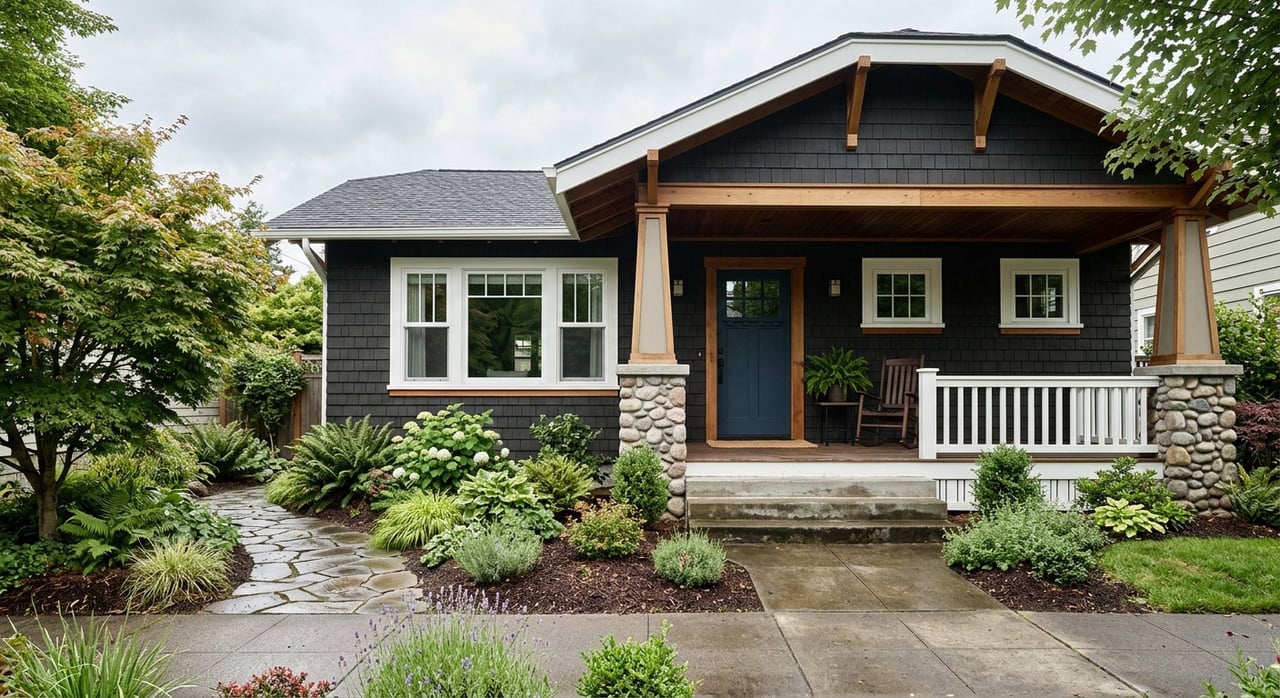
The city identifies Queen Anne, Folk Victorian, Craftsman bungalow, English Vernacular Revival, and a few Shotgun and Double Shotgun homes as defining styles. Mature trees, brick sidewalks, narrow rectangular lots, and retaining walls add to a more uniform historic streetscape.
For many buyers, that translates to a neighborhood with a stronger preservation-oriented feel. If you picture yourself on streets where the historic character feels consistent and well established, Grant Park may align more closely with that vision.
Ormewood Park tells a more mixed housing story. Its neighborhood association notes development dating to 1892, a building boom after World War I, surviving prefab and Sears catalog homes, and newer single-family homes, condos, and apartments.
That variety can be a real advantage if you want more housing types and a less uniform look. You still get older character, but the neighborhood reads as more layered and evolving than Grant Park.
For buyers, this often means more flexibility in the kind of home you consider. If you like the idea of a quieter residential setting with a blend of old and new, Ormewood Park may feel like a better match.
Grant Park’s outdoor identity is easy to understand because it revolves around one major amenity: the 131-acre park itself. That large central green space has helped define the neighborhood for generations and still anchors daily routines.
Nearby public-space and activity anchors include Zoo Atlanta, Oakland Cemetery, the Grant Park Gateway retail project, and the Grant Park Farmers Market at The Beacon. The city also notes Memorial Drive Greenway design work launched in 2025 for an 8.5-acre linear park near Oakland Cemetery and downtown.
The BeltLine also says future Southside Trail segments will bring connectivity near Grant Park. If you want a neighborhood where outdoor life already feels established and central, Grant Park offers that in a very visible way.
Ormewood Park’s outdoor rhythm feels more neighborhood-scale. According to its neighborhood group, the area is known for tree-lined streets, people walking dogs, biking to Kroger, and BeltLine adjacency.
The area is also seeing future green space take shape. Atlanta City Council approved acquisition of the 5.34-acre Urban Farm Ormewood property for a future city park with urban farming, natural areas, and community green space.
The city’s Future Places Project also identifies the Ormewood Bridge as a gateway for two southeast Atlanta neighborhoods. In practical terms, Ormewood Park can appeal if you like a connected, evolving outdoor environment that feels more local than destination-driven.
One of the clearest differences between these neighborhoods is how retail shows up in everyday life. Grant Park has a more developed in-neighborhood commercial pattern, which can make it feel more self-contained.
The city says Grant Park includes neighborhood commercial clusters and several business nodes. Current anchors include The Beacon, Grant Park Gateway, and the year-round Grant Park Farmers Market.
If you want a neighborhood with a more defined set of walkable destinations for errands and casual outings, Grant Park has the stronger case based on today’s layout. That can be especially appealing if convenience is high on your wish list.
Ormewood Park’s retail activity is more edge-oriented. Its neighborhood association points to retail at the Ormewood and Moreland intersection, along with nearby destinations such as Atlanta Dairies, The Larkin on Memorial, and The Beacon.
That setup can still offer good convenience, but it feels less centered in one core district. Instead of one concentrated commercial hub, you are looking at access spread across corridor edges and nearby nodes.
Some buyers prefer that balance because it keeps the residential interior feeling quieter. If you want convenience nearby without feeling like you are in the middle of a busier retail cluster, Ormewood Park may suit you better.
The best choice usually comes down to what you want your week to feel like, not just what looks good on paper. These neighborhoods are close to each other, but they support different versions of intown living.
Photos and maps can help, but these two neighborhoods are worth experiencing in real time. The biggest differences often show up when you drive the streets, walk the blocks, and notice how the housing, green space, and retail patterns actually connect.
In Grant Park, pay attention to how consistent the streetscape feels and how much the park shapes the area. In Ormewood Park, notice the mix of homes, the quieter residential pockets, and the way nearby destinations sit around the neighborhood rather than at one central core.
That kind of block-by-block comparison is often what helps you move from “both seem nice” to “this one feels right.” In an intown market, lifestyle fit usually matters just as much as square footage.
If you are weighing Grant Park against Ormewood Park, having neighborhood-level guidance can make the decision much easier. Shawn Morgan helps buyers and sellers make smart, lifestyle-driven moves across intown Atlanta with clear advice, local insight, and a tailored strategy.
A thorough grasp of residential real estate marketing tactics, a keen knowledge of the Atlanta market, superior listening skills and attention to detail, make him the model Realtor® advisor. Contact Shawn today!
Let's ConnectAddress
1491 Peachtree St. NE
Atlanta, Georgia 30309