If you are trying to choose between a condo, loft, or bungalow in Inman Park, the real question is not which one is best. It is which tradeoff fits the way you want to live. In a neighborhood known for historic homes, adaptive-reuse buildings, and genuinely walkable streets, each option offers a very different version of intown Atlanta life. This guide will help you compare cost, upkeep, character, and lifestyle so you can narrow in on the right fit for your next move. Let’s dive in.
Inman Park holds a special place in Atlanta history as the city’s first planned suburb, founded in 1889 with its own streetcar system. Today, the housing mix still reflects that layered past, with Victorians, bungalows, American Four-Squares, Classic Revivals, smaller detached homes, townhomes, and loft conversions in former industrial buildings.
It is also a neighborhood where daily convenience matters. Walk Score rates Inman Park at 87 for walkability, 56 for transit, and 82 for biking, and identifies it as one of Atlanta’s most walkable neighborhoods. The Eastside Trail and the Krog Street Tunnel corridor also help connect residents to nearby intown destinations.
From a market standpoint, inventory remains limited and pricing stays elevated. Recent market snapshots show roughly 26 to 28 homes for sale, median listing prices around $647,500, median sale prices near $698,740 over the last three months, and about 52 to 55 days on market. That combination makes it especially important to understand what you are buying before you make a move.
In Inman Park, architecture matters, but lifestyle matters more. A condo, loft, and bungalow can all put you in the same neighborhood, but they will shape your day-to-day experience in very different ways.
The easiest way to decide is to think about what you want most. If you care most about convenience, a condo may be your best match. If you want volume, light, and a more urban feel, a loft may stand out. If you want detached ownership, porches, and historic charm, a bungalow may be worth the added upkeep.
| Home Type | Best For | Typical Tradeoff |
|---|---|---|
| Condo | Lower-maintenance, lock-and-leave living | HOA dues and less autonomy |
| Loft | Open space, high ceilings, urban character | Less private outdoor space |
| Bungalow | Character, yard space, detached ownership | More maintenance and possible historic review |
Condos are often the most practical entry point for buyers who want to live in Inman Park without taking on the full responsibility of a detached house. They work especially well if you travel often, want simpler upkeep, or prefer shared amenities like secure entry, parking, fitness centers, or a pool.
A key part of condo ownership is the monthly HOA dues. These are usually paid separately from your mortgage, and they can range from a few hundred dollars a month to more than $1,000. In many cases, those dues help cover shared costs such as landscaping, common-area maintenance, driveways, roofs, shared structures, and master insurance for common areas.
That monthly fee is why condo buyers need to think beyond the list price. In Inman Park, active examples have included one-bedroom units around $335,000 to $399,000 and two-bedroom condos around $475,000 to $725,000. For many buyers, the appeal is less about getting the most square footage and more about buying location, convenience, and easier ownership.
A condo may be the right fit if you want:
Before buying a condo, it helps to review:
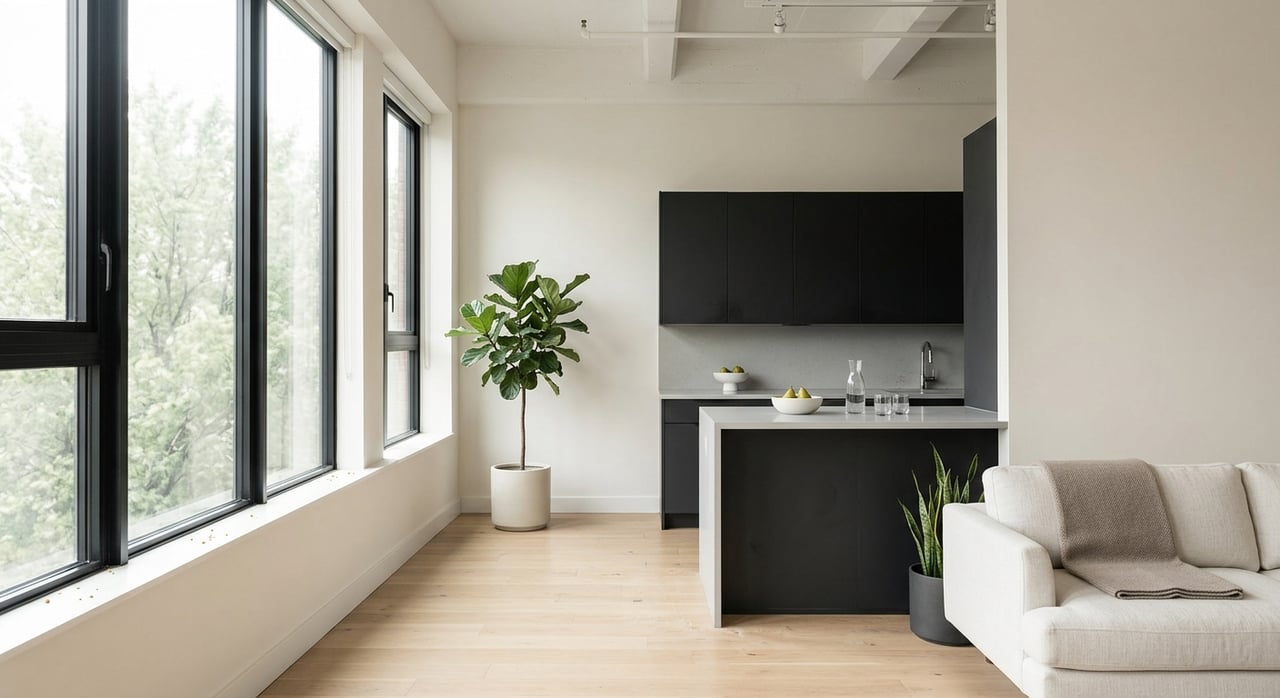
Lofts offer a different kind of appeal. In Inman Park, many lofts come from adaptive reuse, which means former industrial buildings were converted into residential spaces. That history shows up in the details buyers tend to love most, including soaring ceilings, oversized windows, open layouts, and a strong urban feel.
Current examples in the neighborhood highlight that style clearly. Listings such as 15 Waddell Lofts and Grinnell Lofts have emphasized expansive windows, airy floor plans, private balconies, rooftop lounge access, pools, and fitness centers. Brickworks has shown a similar loft-style option near the BeltLine at a different price point.
Lofts often appeal to buyers who want more visual drama and architectural personality than a typical condo building may offer. They can be a strong fit if you want immediate access to the BeltLine, an open-concept layout, and a home that feels connected to the neighborhood’s industrial and creative history.
Lofts tend to stand out for:
The biggest compromise is usually private outdoor space. If your ideal home includes a real yard, a porch with privacy, or more separation between rooms, a loft may feel too open or too shared. In return, you get a more design-forward and distinctly urban living experience.
If you picture Inman Park and immediately think of porches, mature lots, and historic character, you are probably imagining a bungalow. These homes remain one of the neighborhood’s signature detached housing types and often appeal to buyers who want charm, autonomy, and a stronger connection to the street.
Recent examples show how this segment is priced. A renovated bungalow at 884 Edgewood Avenue sold for $707,000 in March 2026, and a 1935 single-family bungalow at 120 Ashland sold for $800,000 in April 2026 after listing at $825,000. Another active bungalow listing at 351 Sinclair highlighted features many buyers seek in this category, including a front porch, backyard, and off-street parking.
The value here is often about more than square footage. With a bungalow, you may be paying for a detached lot, historic personality, and a style of ownership that feels hard to replicate in attached housing. For many buyers, that tradeoff is worth it.
Buyers are often drawn to bungalows for:
That charm comes with responsibility. Exterior work in historic areas may require a Certificate of Appropriateness depending on the project, and Inman Park’s historic appearance is regulated by the City of Atlanta. Restoration can also involve major systems and finishes, as shown by Tour of Homes examples that referenced work such as roof, soffit, fascia, HVAC, and plaster restoration.
In simple terms, a bungalow gives you more freedom in some ways, but also more direct responsibility. If you love character and can plan for upkeep, it can be a rewarding long-term choice.
A smart decision usually comes down to the tradeoff you are most comfortable making. The right home type is the one that supports your lifestyle now, not the one that looks best in a vacuum.
Ask yourself a few practical questions:
For many buyers, the path is fairly clear once those answers are on the table. Condos and lofts usually offer the easiest entry and the least yard work. Bungalows and other detached homes often offer more privacy and historic appeal, but at a higher price point and with more hands-on ownership.
Inman Park is not a one-size-fits-all neighborhood. Two homes at similar price points can deliver very different value depending on building type, monthly dues, condition, and proximity to the BeltLine or Krog Street Tunnel corridor.
That is why local guidance matters here. When you understand the tradeoffs clearly, you can move past broad labels like “condo” or “bungalow” and focus on what actually fits your budget, routine, and long-term goals.
If you are weighing options in Inman Park, a neighborhood-specific strategy can save time and help you make a more confident decision. Whether you are drawn to a low-maintenance condo, a light-filled loft, or a classic bungalow with a porch, working with an advisor who understands intown Atlanta can make the search much more focused. If you are ready to talk through your options, connect with Shawn Morgan for thoughtful, neighborhood-rooted guidance.
A thorough grasp of residential real estate marketing tactics, a keen knowledge of the Atlanta market, superior listening skills and attention to detail, make him the model Realtor® advisor. Contact Shawn today!
Let's ConnectAddress
1491 Peachtree St. NE
Atlanta, Georgia 30309