Trying to choose between a charming bungalow and a newer townhome in East Lake? You are not alone. This neighborhood gives buyers a real fork in the road, with early-20th-century homes on some blocks and newer housing options on others. If you want to make a smart decision without getting swept up by curb appeal alone, this guide will help you weigh character, upkeep, efficiency, and long-term fit. Let’s dive in.
East Lake has one of the more layered housing stories in intown Atlanta. The East Lake Foundation describes it as one of Atlanta’s historically significant neighborhoods, with bungalows and cottages dating from the 1910s through the 1940s.
At the same time, East Lake also includes newer mixed-income housing and recent development. That includes the Villages of East Lake, Gardenside, the Trust at East Lake, and new apartment homes at ELLA. The Foundation reports that the Villages of East Lake includes 650 homes, Gardenside added 108 homes completed in 2020, and 40 new for-sale townhomes are underway with full completion anticipated in 2027.
This means your home search in East Lake may not be about price alone. It is often about deciding what kind of daily living experience matters most to you.
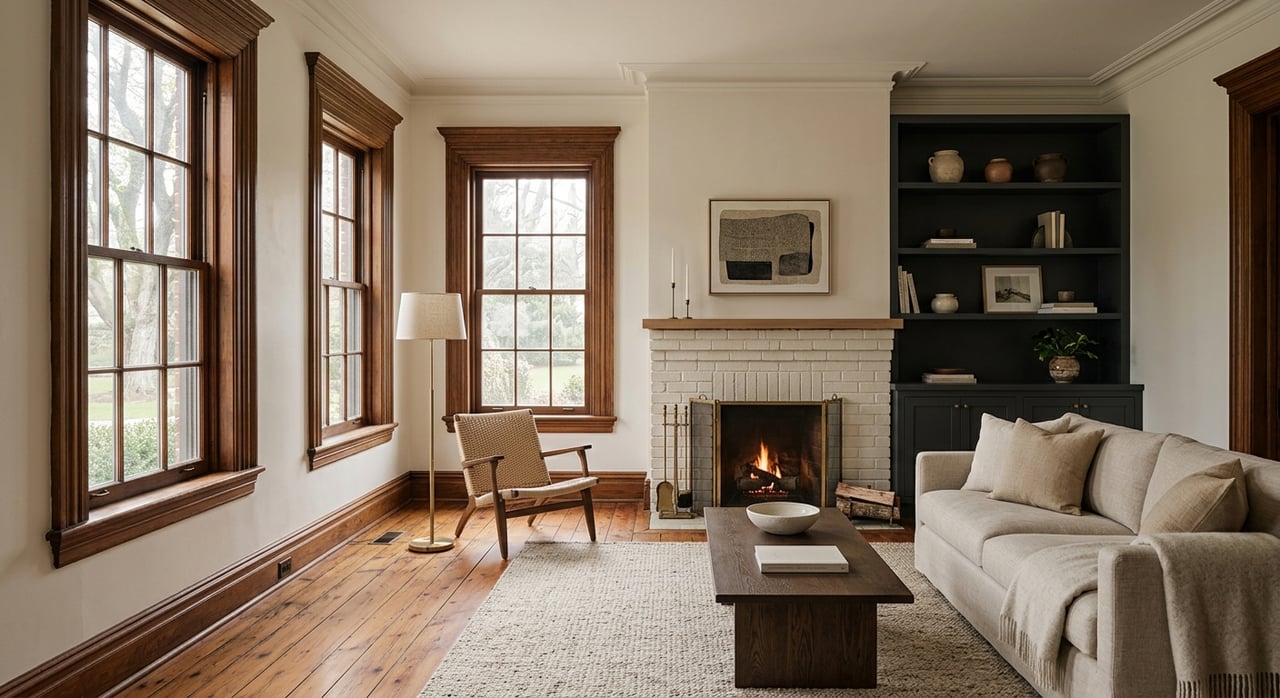
Many of East Lake’s older homes fall into the bungalow or cottage category. The National Park Service describes the early-20th-century bungalow as a low-slung one to one-and-a-half-story house with a broad roofline, porch or veranda, and a compact interior plan with two rows of side-by-side rooms.
In plain terms, that often means you get architectural character that is hard to copy. Think front porches, established lots, mature trees, and details that reflect the neighborhood’s long history.
You may also find a more segmented layout than you would in a newer home. Instead of one large open living area, older homes often have rooms with more defined boundaries. For some buyers, that feels cozy and distinctive. For others, it can feel less flexible for modern living.
Historic East Lake homes often stand out because they have a sense of place. East Lake’s history runs deep, from the East Lake Golf Club dating to 1904 to the town’s incorporation in 1908 and annexation into Atlanta in 1928.
That context matters when you walk the neighborhood. A home with a porch, original trim, and a settled streetscape can feel connected to the story of the area in a way that newer construction usually does not.
Individual landmarks also reinforce that character. The City of Atlanta identifies the Gentry-McClinton House, built in 1914, as a landmarked property in East Lake.
Character is a real advantage, but it often comes with extra homework. The biggest differences in older homes are usually not cosmetic. They are behind the walls, above the ceiling, and below the floors.
When you look at an older East Lake home, pay close attention to:
The Department of Energy notes that many older homes have less insulation than homes built today. DOE also recommends looking at insulation, air sealing opportunities, windows, and other leak points as part of a whole-house approach.
That does not mean an older home is a poor choice. It means you should go in with eyes open and budget for maintenance or upgrades when needed.
If historic homes are about charm and legacy, newer homes are usually about convenience and function. In East Lake, newer housing supply is tied largely to redevelopment and infill rather than traditional pre-war housing.
For buyers, the practical appeal of newer construction is often easier day-one living. You may find a more modern floor plan, newer mechanical systems, and fewer immediate repair items, though finishes and features can vary by builder and project.
That can be especially appealing if you want less near-term project work. If your goal is to move in, settle quickly, and spend more time enjoying the neighborhood than managing contractors, newer construction may feel like the easier fit.
One of the clearest differences between older and newer homes is performance. According to the Department of Energy, many older homes have less insulation than homes built today, while new homes are designed around air sealing, insulation, and ventilation as a whole-house strategy.
DOE also notes that ENERGY STAR certified homes are designed to deliver at least 10% savings on annual utility bills. Not every newer East Lake home will carry that certification, but the broader point still matters: newer construction is often designed with energy performance in mind.
If monthly utility costs matter to you, ask direct questions. You can request details on insulation, windows, HVAC efficiency, and ventilation in both old and new homes.
The right choice often comes down to how you live every day. A historic bungalow may offer warmth, charm, and a front porch that becomes part of your routine.
A newer home may offer a layout that feels more aligned with current preferences. You may see larger closets, more open living areas, and a flow that works well for remote work, guests, or a simpler furniture plan.
Neither option is better across the board. The better option is the one that supports your lifestyle without forcing too many compromises.
No matter which type of home you prefer, the inspection period matters. The Consumer Financial Protection Bureau notes that a home inspection is different from an appraisal, and buyers should schedule the inspection early enough to negotiate repairs or walk away if needed.
In East Lake, inspections on older homes often require extra attention to hidden systems and moisture issues. DOE says moisture control helps improve efficiency and prevent mold growth, so it should be treated as a core due diligence item.
Newer homes should still be inspected carefully. Even when systems are newer, you still want a clear picture of drainage, installation quality, ventilation, and any incomplete punch-list items.
If you are shopping for a home built before 1978, lead-based paint should be part of your review process. The EPA says the older the home, the more likely it is to contain lead-based paint, and homes built before 1978 are more likely to include it.
EPA rules also require sellers, landlords, real estate agents, and property managers to disclose known lead-based paint information before most sales or leases of pre-1978 housing. In practice, that means you should review seller disclosures carefully and ask for any available records.
This is one more reason older homes call for a methodical approach. The charm may be obvious right away. The risks and responsibilities take a little more diligence.
Sometimes a buyer loves the location and character of a historic home but feels unsure about the cost of updates. In that situation, financing options can matter.
HUD’s Section 203(k) program allows financing for the purchase or refinance of a home, plus rehabilitation, if the home is at least one year old. That can be useful if a property needs systems work, layout changes, or kitchen and bath improvements.
If you are considering a historic East Lake home that needs work, ask your lender whether a renovation loan fits the property and your goals. It may open up options that first seem out of reach.
Before you make big plans for an older home, confirm whether the property is in a Historic or Landmark District. Atlanta’s Historic Preservation Studio says buyers should use the city GIS Property Info map to determine whether a property falls within one of those districts.
If it does, some exterior work may require a Certificate of Appropriateness. For properties in unincorporated DeKalb County historic districts, the DeKalb County Historic Preservation Division provides design review and COA assistance.
For East Lake buyers, the key step is simple: confirm the property’s preservation status and jurisdiction before assuming you can make exterior changes, additions, or major alterations.
Whether you are leaning old or new, better questions lead to better decisions. Here are a few smart ones to ask during your search:
A historic East Lake bungalow or cottage is often the better fit if you value character, porches, and an established streetscape, and you are comfortable planning for maintenance or upgrades over time.
A newer East Lake home is often the better fit if you value modern layouts, efficiency, and lower near-term maintenance. Both paths can make sense. The real goal is matching the home to your priorities, budget, and tolerance for future projects.
If you want help sorting through East Lake’s older homes, newer construction, or the tradeoffs in between, Shawn Morgan can help you evaluate the details and move forward with confidence.
A thorough grasp of residential real estate marketing tactics, a keen knowledge of the Atlanta market, superior listening skills and attention to detail, make him the model Realtor® advisor. Contact Shawn today!
Let's ConnectAddress
1491 Peachtree St. NE
Atlanta, Georgia 30309