If you love the idea of a front porch, historic character, and a walkable intown setting, buying a bungalow in Virginia-Highland can feel like the perfect fit. It can also come with questions about layout, upkeep, renovation limits, and what is original versus what has changed over time. This guide will help you understand what to expect from a Virginia-Highland bungalow so you can shop with more confidence and fewer surprises. Let’s dive in.
Virginia-Highland’s housing stock reflects its roots as a streetcar suburb. According to Emory and the Virginia-Highland Civic Association, much of the neighborhood was developed from the early 1900s through the late 1940s, with many bungalows, cottages, and Foursquare homes built between 1905 and 1936.
For you as a buyer, that usually means a bungalow here is part of a larger historic streetscape, not a one-off older house dropped into a newer area. The neighborhood pattern tends to feel older, denser, and more human-scaled than many later subdivisions, which is a big part of Virginia-Highland’s appeal.
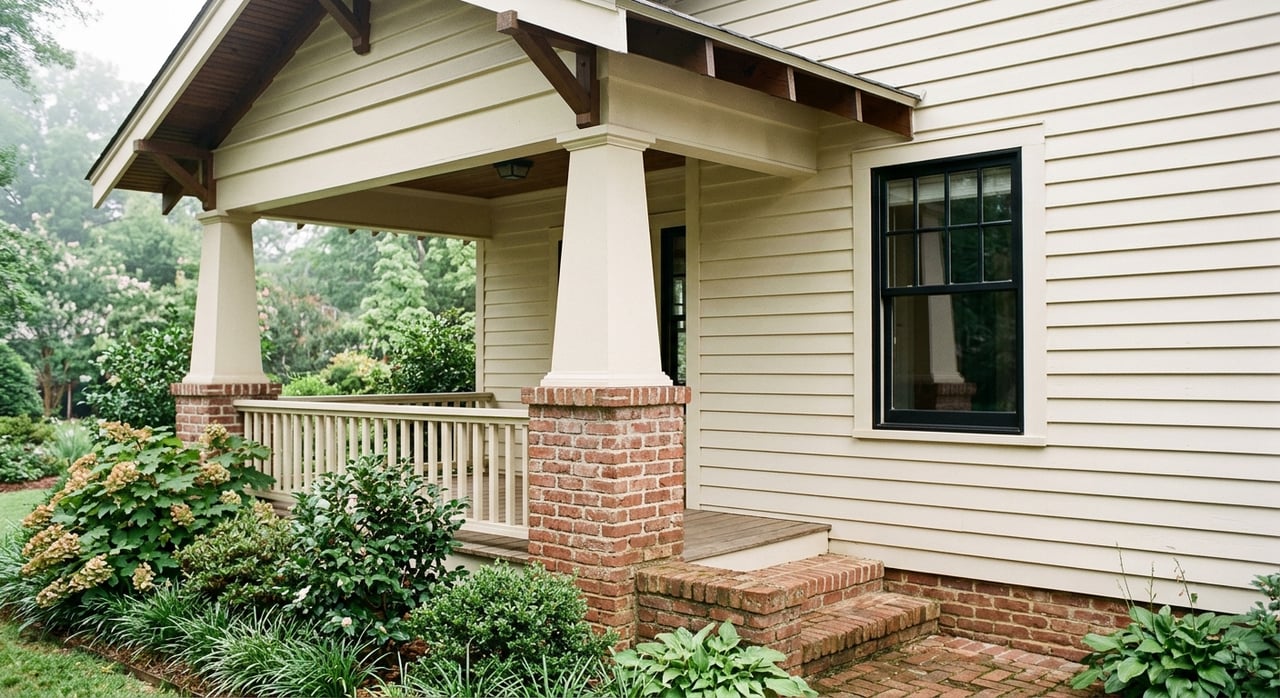
Most bungalows follow a recognizable pattern. They are often one to one-and-a-half stories with a low-pitched roof, wide eaves or overhanging gables, exposed rafters, an open front porch, and a simple square or rectangular footprint.
Craftsman influence shows up in many of these homes. You may see heavier porch columns, sometimes set on stone bases, along with practical layouts designed to use space efficiently. In Virginia-Highland, that architectural character is a major reason buyers are drawn to the area.
A bungalow often lives smaller than its curb appeal suggests. Original rooms may feel cozy, closets may be limited, and kitchens and baths may reflect earlier design priorities unless they were updated later.
That does not make these homes less functional, but it does mean you should pay close attention to how the floor plan fits your daily life. A beautiful porch and period details matter, but so do storage, flow, and how much renovation you may want to take on.
When you tour a Virginia-Highland bungalow, it helps to look beyond the charm. Character-defining features are important, but so are the systems, materials, and signs of deferred maintenance.
A smart walkthrough should include both lifestyle questions and property-condition questions. Focus on these areas early:
Buying in Virginia-Highland often means buying an older home, and older homes usually ask more of you as an owner. The tradeoff is character, location, and established neighborhood fabric, but you should go in with realistic expectations.
One common issue is energy performance. The U.S. Department of Energy notes that many older homes have less insulation than newer ones, and older doors and windows can contribute to air leakage. In practical terms, that means comfort and utility costs may depend heavily on the condition of the attic, exterior walls, windows, doors, and weather sealing.
If a bungalow feels drafty during a showing, take that seriously. A whole-house energy assessment can help identify gaps, and it is worth asking whether the seller has improved insulation or weather sealing over time.
This is especially relevant in homes that still have many original components. Historic charm and energy efficiency can coexist, but they do not automatically go hand in hand.
Because many Virginia-Highland homes were built before 1978, lead-based paint is an important consideration. The EPA says pre-1978 homes may contain lead-based paint, and renovation work can create dangerous lead dust.
Asbestos can also be a concern if older materials will be disturbed. The EPA recommends professional sampling if a material may contain asbestos and will be affected during remodeling.
If a home has been updated, ask how the work was handled. You do not need to assume there is a problem, but you do want clarity on whether old finishes or concealed materials were disturbed during prior renovations.
Painted trim, flooring, wall finishes, and hidden materials can all matter in an older bungalow. A clean-looking remodel is helpful, but the process behind it matters too.
In Georgia, termite risk should always be part of your evaluation. UGA Extension says subterranean termites are the most common type in Georgia, and a home’s susceptibility depends on factors like construction type, maintenance, landscaping, and conditions around the structure.
That makes crawlspace moisture, damaged wood, and visible mud tubes especially worth noting in a bungalow. These homes often have age and materials that call for extra attention during inspections.
Before you get too far into due diligence, ask practical questions such as:
These are not alarm bells by themselves. They are simply part of buying an older home responsibly in Atlanta.
This is one of the biggest points buyers miss. Virginia-Highland is a National Register district, and the Atkins Park portion of the neighborhood also has local historic-district designation from the City of Atlanta.
That distinction matters. The National Park Service says National Register listing does not create federal restrictions for a private owner, but the City of Atlanta says the scope of work determines whether a Certificate of Appropriateness is needed and whether review is handled by staff or by the Urban Design Commission.
If you are thinking about changing windows, altering the porch, adding square footage, or modifying the front elevation, verify the property’s status early. The city recommends using its GIS resources to confirm zoning and historic-preservation status before work begins.
In other words, do not assume every exterior project will be straightforward just because a home is privately owned. Also do not assume every Virginia-Highland property is subject to the same level of local review.
If the home is in the locally designated Atkins Park historic district, your future exterior plans may face a different review path than homes located only within the broader National Register district. That can affect timelines, design choices, and your comfort level with future projects.
This does not mean you should avoid buying there. It simply means you should understand the rules before you count on an addition, major exterior update, or visible design change.
The Virginia-Highland Civic Association’s design reference is helpful because it focuses on the exact features buyers usually care about. It addresses foundations, materials, doors, windows, roofs, additions, setbacks, massing and scale, appurtenances, landscape strips, sidewalks, walkways, fences, retaining walls, and streetscapes.
The guide is not enforceable city code, but it is still useful for understanding the design context of the neighborhood. Think of it as a practical preview of what tends to matter in preserving bungalow character.
If you are actively shopping, keep this short checklist in mind when touring a Virginia-Highland bungalow:
At its best, buying a bungalow in Virginia-Highland gives you timeless architecture, a strong neighborhood identity, and a home that feels connected to Atlanta’s history. But it also means evaluating age, maintenance, and renovation constraints with clear eyes.
The key is to separate charm from deferred maintenance and inspiration from assumptions. If you understand the home’s condition, district status, and likely ownership responsibilities upfront, you can make a much more confident decision.
If you are considering a bungalow in Virginia-Highland and want a local, practical read on what to look for, Shawn Morgan can help you evaluate the details that matter before you buy.
A thorough grasp of residential real estate marketing tactics, a keen knowledge of the Atlanta market, superior listening skills and attention to detail, make him the model Realtor® advisor. Contact Shawn today!
Let's ConnectAddress
1491 Peachtree St. NE
Atlanta, Georgia 30309